When I was 23, I scored a one-week work experience placement at my local paper in Brighton, UK.
The first job my editor gave me was conducting a vox pop. If you’re not sure what that is, in design language it is similar to intercept interviews. You stand in a public space with a clipboard, you stop a stranger walking down the street, and you ask them a bunch of questions on a specific topic.
Well, anyway, my editor told me to stand outside Asda (a giant, very busy supermarket across the road from our office) and ask shoppers for an interview.
She gave me the following instructions: I must interview 7 women and 3 men. I must get down their full name, age and occupation. I must take a clear photo of their face. And the topic she wanted me to get their opinion on was:
‘What do you think about men wearing leggings?’
My face must have gone white with horror I guess, because my editor patted me on the shoulder and said softly, 'Just give it a go.' And so I did.
Two hours later, I strolled back into the office with a notebook full of quirky opinions, and guess what? I loved it.
Don’t get me wrong, I was terrified at the prospect of stopping busy people and asking them silly questions. I’d never considered myself a conversationalist, particularly. But this experience opened my eyes to a completely new way of connecting with people.
Standing with my daft clipboard asking my even dafter questions about leggings, I was astounded by how freely people gave me their opinions and life stories. How such a trite question led people to spend their time with me in a supermarket car park talking about their family members and celebrity crushes and everything else.
It was joyous. Getting a glimpse into a stranger's life, laughing at their stories, thanking them while they posed for a photo.
I felt like I’d stumbled on some sort of magic key.
And I suppose it sort of is magic, if you don’t know this one little secret rule for talking to other humans: everyone loves telling their stories to people who are interested in listening to them.
When I was 23, I thought the hard bit was getting strangers to talk. After hundreds of interviews, I know the opposite is true. The hard part is being someone who wants to listen.
Most people are carrying around stories that nobody has ever thought to ask them about.
And that is how you can talk to virtually anyone.
I still have a copy of that Vox Pop. The first time I saw my name in print.
Twenty years later, it sits in a ring binder on my shelf as a reminder that most people are far more interesting and willing to talk than we give them credit for.
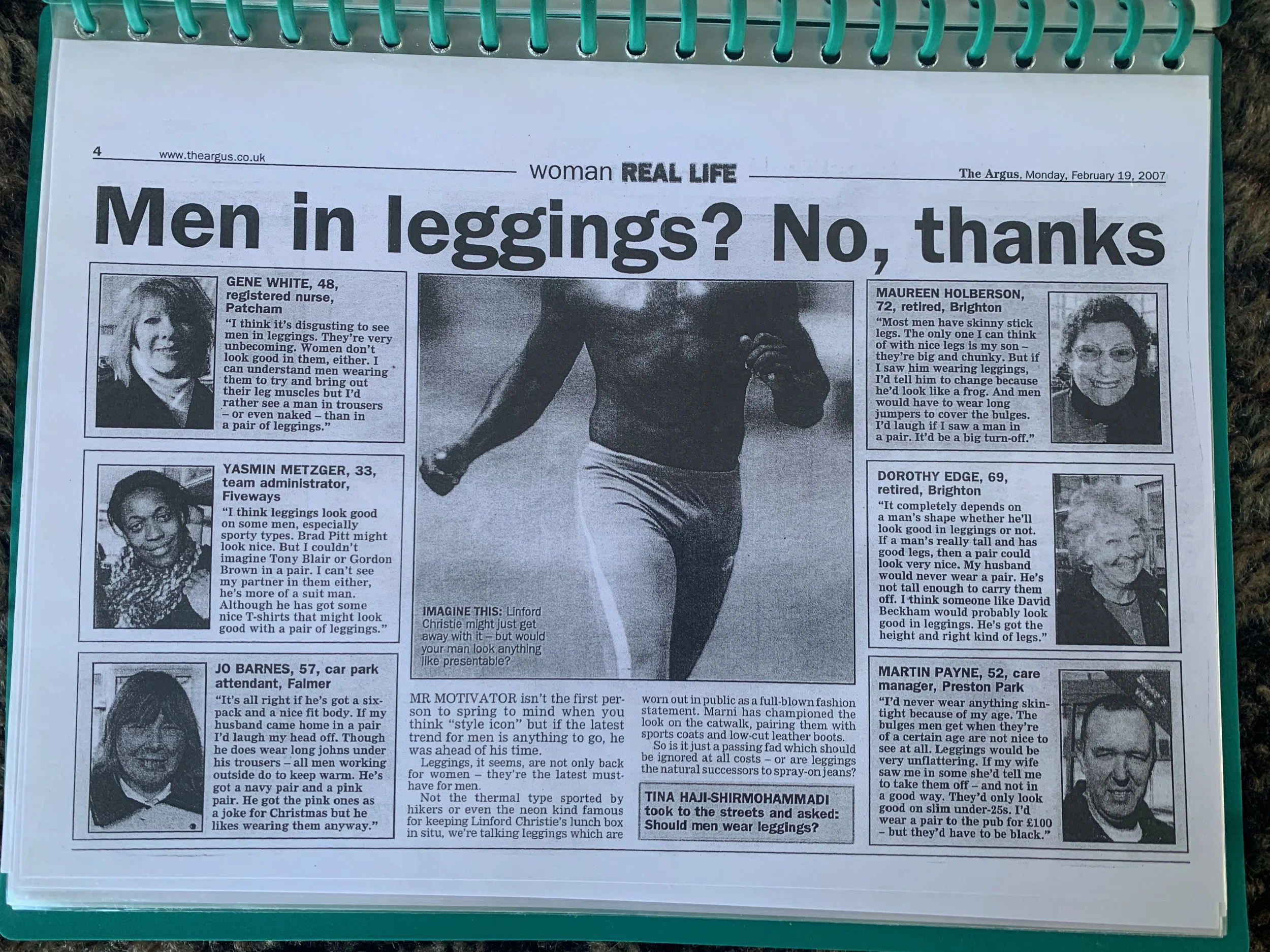
Excerpt from The Argus newspaper
